
Route Overview
Region
Miles
Days Out
Recommended Tire Size
Season
Elevation Gain
Difficulty
3/10 Technical
Primary Surface(s)
Paved


Route Map
Route Details
The Elk Rut Ramble 225 is a remote gravel bikepacking experience that follows the roaming range of Pennsylvania’s wild elk herd, combining the possibility of elk encounters with big climbs, dark skies, rich history, expansive public lands, and quiet connections between small mountain communities.
- Active Elk Habitat – The route passes through the core Pennsylvaniaelk range in the Sinnemahoning Valley, Quehanna Wild Area, and Benezette region, offering a rare opportunity to come into contact with elk in the wild.
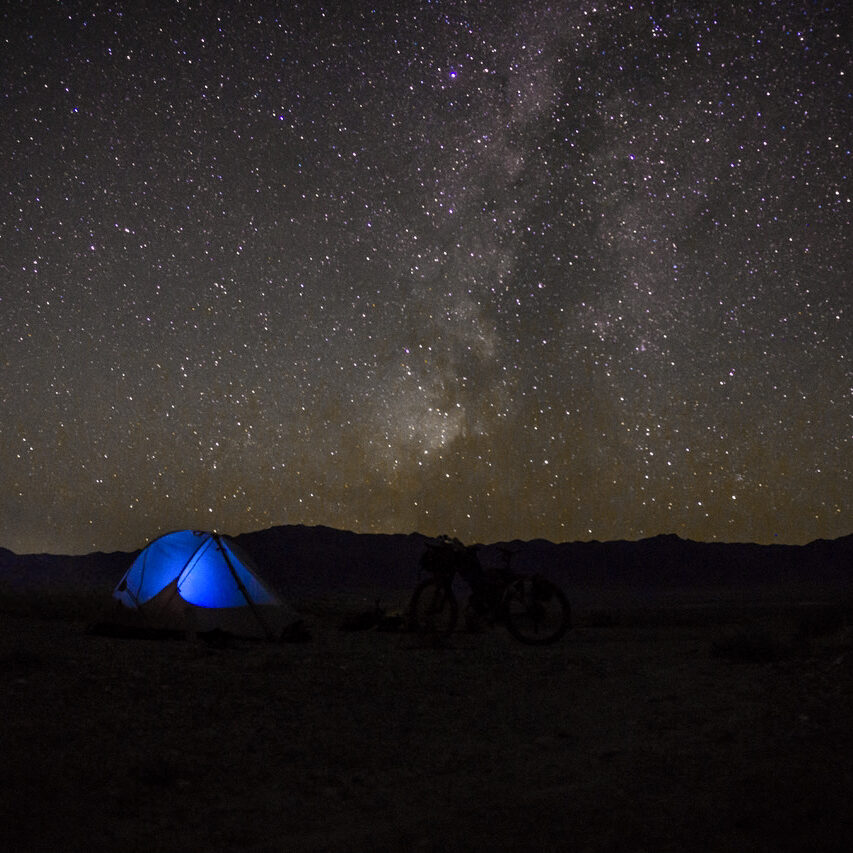
- Remote Forest Roads and Dark Skies – Long stretches of quiet gravel wind through heavily wooded, sparsely populated terrain known for minimal development, limited cell service, and some of the darkest night skies in the state.
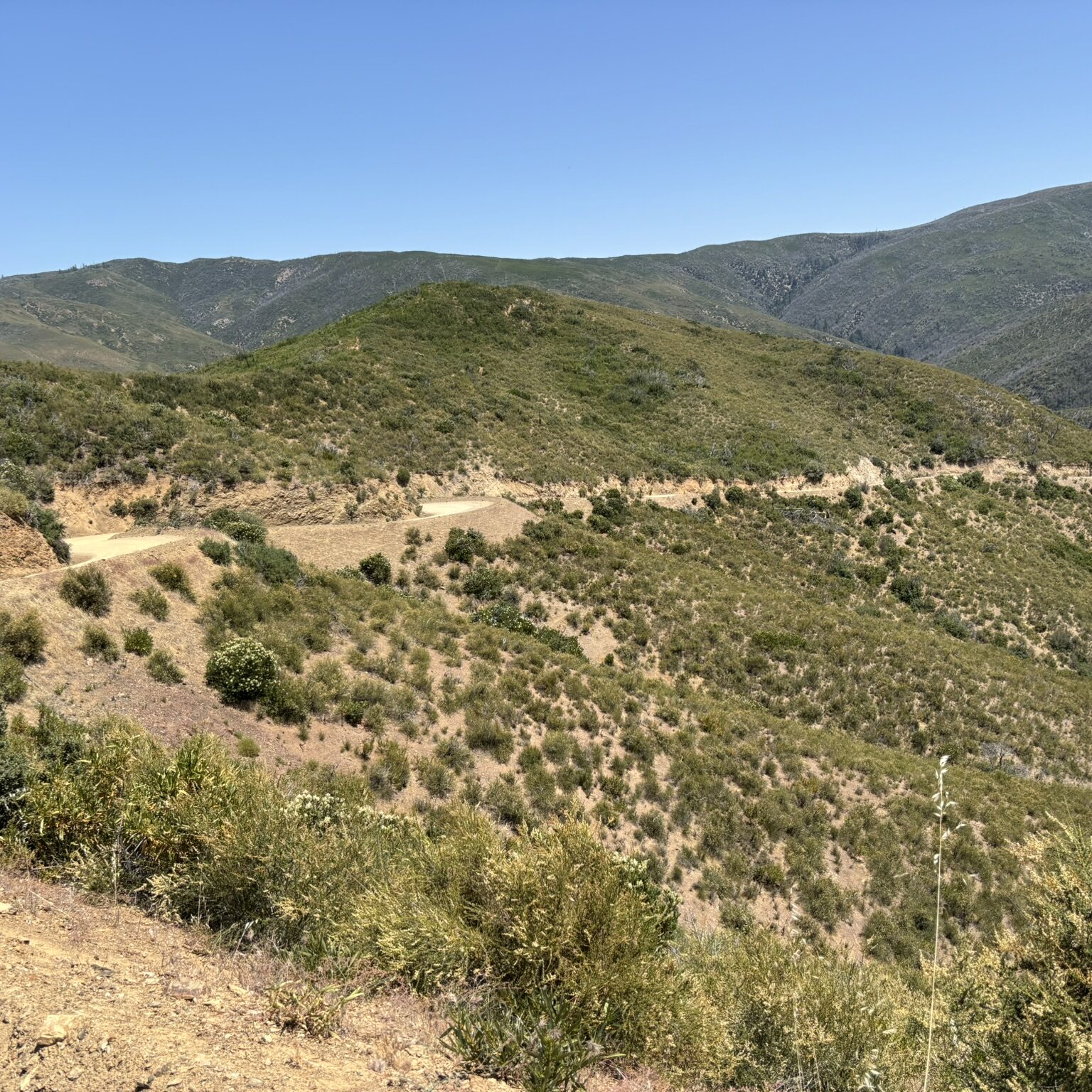
- Scenic Vistas and Overlooks – Highlights include Ridge Road and the “Top of the World,” offering nearly 360-degree panoramas of the surrounding mountains and forested valleys.
- Vast Public Lands and Wild Areas – The route skirts or passes through large tracts of state forest and wild areas, including Hammersley Wild Area, the largest swath of land in Pennsylvania without roads.
- Quehanna Wild Area and Nuclear History – The route passes through Quehanna Wild Area, including the former “bat bunkers,” where abandoned Cold War–era facilities illustrate how nature has reclaimed once-industrial landscapes.
- Part of the larger Wild Elk Gravel network – The Elk Rut Ramble 225 is just one of 18 routes in the region, ranging from 8 to 225 miles. Some of the other day ride routes also work well as overnighter bikepacking routes.
The Elk Rut Ramble 225 bikepacking loop travels (mostly) where the elk do—from the Sinnemahoning Valley to Quehanna Wild Area and the most famous elk viewing spot of them all, Benezette. While seeing elk is certainly not guaranteed, the chance to catch a glimpse of one of these majestic creatures is enough to encourage riding with eyes a little wider and, as a result, noticing the breathtaking scenery and small town gems along the way.
The 225-mile route traverses five counties (Cameron, Potter, Clinton, Clearfield, and Elk) in the heart of the PA Wilds region, a rural, sparsely-populated, and heavily-wooded portion of the state that is known for its dark skies, vast tracts of public lands, and the largest elk herd in the Northeast. The elk were reintroduced to the state in 1913, after the native population was hunted to extinction in the late 1800s. Now, the herd numbers over 1,500 and has split into multiple smaller groups that roam the river valleys and open plateaus of the region.
In addition to the elk, this route combines many of the other highlights of the region into one epic loop and showcases an abundance of historical, cultural, natural, and scenic features. Camp next to the concrete ruins of Austin Dam and Bayless Pulp and Paper Mill. Explore the northern boundary of Hammersley Wild Area, the largest swath of land in Pennsylvania without roads. Take in the view at one of the many vistas along Ridge Road, or the “Top of the World,” which offers almost a 360-degree panorama of the surrounding mountains. Enjoy a warm meal and conversation at one of the local taverns. Explore the strange nuclear history of Quehanna Wild Area at the “bat bunkers,” and witness how nature is taking over the once-industrial landscape.
Expect big climbs, but many are gradual and well worth it for the views at the top. In between climbs, you’ll travel along scenic creek valleys and rolling plateaus. Small communities along the way include Austin, Cross Fork, Driftwood, and Benezette, each with its own unique character. Many sections of the route are quite remote, with long stretches of no cell service and many miles between resupply opportunities. However, food and lodging options are distributed relatively evenly along the route, and both camping and lodging itineraries are possible. Water is generally abundant from springs – filtering is recommended. The main roads in valleys throughout the route make it easy to shorten the route, and the full loop can be easily divided into a northern and southern half for shorter trips.
- Paved: 25%
- Smooth Gravel: 65%
- Rough Gravel: 10%
- 4×4 Road: 0%
- Singletrack: 0%
Resupply:
Riders should plan to be fully self-supported, carrying enough food for 50 or more miles between resupply points and at least 2–3 liters of water, more in hot weather. Because there are no bike shops in Emporium or along the route, full repair capability is critical, including any bike-specific or proprietary parts such as derailleur hangers or unique brake components.
Some stores and restaurants have limited hours and are closed on certain days of the week. Check hours ahead of time if you are relying on them for resupply – calling is best rather than relying on Google Maps. Be prepared for 50+ miles between resupply in a few locations.
Cell service is very limited – download routes offline ahead of time and consider a satellite communicator for emergencies.
Camping:
Developed campgrounds along the route are marked on the RideWithGPS route. Campsites with amenities such as electricity, bathrooms, and showers are available at the state parks—Sizerville, Sinnemahoning, and Kettle Creek. There are also a variety of private campgrounds and a few bed and breakfasts/Airbnbs along the route.
Dispersed camping is allowed in state forests.
No camping allowed is in state game lands.
Parking:
Overnight parking is available at the West Creek Recreational Trail trailhead on North Chestnut Street in Emporium.
Riding Season and Weather:
The best time to ride is April-October. Many of the roads are not maintained in the winter, so they can stay iced over through early spring. Prime elk viewing time is mid-September through mid-October, which is a beautiful time to ride the route—just be mindful that there may be extra traffic in the forest, especially around Benezette. In the spring and fall, nighttime temperatures can dip below freezing with daytime temperatures ranging from the 50s to 70s. Summer daytime temperatures are typically in the high 70s-80s. Rain is common, especially in the spring and late fall, but sometimes the region experiences long dry periods in the summer. Be prepared for a variety of weather conditions, especially in the shoulder seasons.
Major hunting seasons run from late October through mid-December, and it’s best practice to wear blaze orange during these times of the year.
Riding Conditions:
The route primarily follows low-traffic forest and country roads, creating a generally quiet riding environment, though riders should expect occasional connectors on paved roads that may carry higher traffic. Road surfaces vary throughout the network, with washboard sections on steeper grades, loose gravel following seasonal regrading, and muddy dirt roads during or after wet weather. Wildlife encounters are common in this region, and riders should remain alert for deer, elk, and occasionally bear, particularly in the early morning and evening hours. ATVs are permitted on select forest roads from May through September, and some segments are shared with equestrian use, making it important to slow or stop and allow horses and riders to pass safely.
Bike Selection:
A drop-bar gravel bike or hardtail mountain bike with fast-rolling tires is well-suited to the route, with 40–50 mm tires and moderate tread providing a good balance between efficiency and control on rougher stretches and rocky forest roads. Low gearing is strongly recommended due to the sustained climbs, with a minimum 1:1 ratio for day rides and closer to 1:1.5 for bikepacking setups to better manage long ascents under load. Reliable braking is essential: disc brakes with fresh pads perform best on extended descents and in wet conditions, and carrying spare pads is advised.
- Learn more about the Wild Elk Gravel network here: https://visitpago.com/wild-elk-gravel/
- Wild Elk Gravel Ride with GPS page contains the full network of routes: https://ridewithgps.com/partners/wildelkgravel
- Follow Wild Elk Gravel on Instagram: https://www.instagram.com/wildelkgravel/
- Pennsylvania Department of Conservation and Natural Resources:
- Susquehannock State Forest: https://www.pa.gov/agencies/dcnr/recreation/where-to-go/state-forests/find-a-forest/susquehannock
- Elk State Forest: https://www.pa.gov/agencies/dcnr/recreation/where-to-go/state-forests/find-a-forest/elk
- Sproul State Forest: https://www.pa.gov/agencies/dcnr/recreation/where-to-go/state-forests/find-a-forest/sproul
- Pennsylvania Wilds: https://pawilds.com/
- Quehanna Wild Area: https://pawilds.com/asset/quehanna-wild-area/
The Elk Rut Ramble 225 route is the work of Helena Kotala.
Helena would like to thank the following individuals for their assistance in creating the route:
- David Landis (V2V Trails)
- Cliff Clark (Cameron County, PA)
- Josh Zucal (Cameron County, PA)
- Joe Kellert (Elk State Forest)
Here is a little about Helena in her own words:
Helena (she/her, Warriors Mark, PA) is a central Pennsylvania native who is happiest traversing landscapes by bike, boat, foot, or ski and makes moving outside daily a non-negotiable part of her lifestyle. She believes that backyard adventures are just as important as the epic ones, and is passionate about getting more people outdoors in whatever way they can. Helena has worked for the Pennsylvania Environmental Council since 2018, where she manages a variety of trails and outdoor recreation-related projects.
Helena has offered to be available to answer questions if you are planning a trip on this route. We encourage you to be respectful of Route Stewards’ time, though, and to review publicly available materials first before reaching out with questions.
Please also get in touch with any updates on route conditions that may be relevant to other riders.
Please submit your questions and comments on the route via the contact form below.
This route traverses the traditional lands of the Susquehannock and Haudenosaunee.